For years the most common question from smaller traders was some version of “how do I day trade without $25,000?” On June 4, 2026 the rulebook answer changed. What it takes to trade a small account well changed a lot less.
The short version
- FINRA no longer requires $25,000 to day trade, as of June 4, 2026.
- Your broker may keep the old limit until it switches, as late as October 20, 2027.
- Cash account settlement rules haven’t changed.
- With no trade limit, the trades you skip matter more than ever.
The old workarounds, and what they cost
Under the old rule, a margin account under $25,000 got three day trades every five business days. Traders found ways around it: cash accounts that wait for money to settle, accounts at several brokers to multiply the allowance, offshore brokers outside FINRA’s reach, or holding trades overnight just to avoid the count.
Every one of those carried a price. Money stuck waiting to settle. Weaker protections. Worse fills. And the last one was the strangest of all: traders were taking on overnight risk for a rulebook reason, not a trading reason.
What’s different now
The day-trade count and the $25,000 minimum no longer exist as FINRA requirements. A trader with $4,000 is no longer held to three round trips a week.
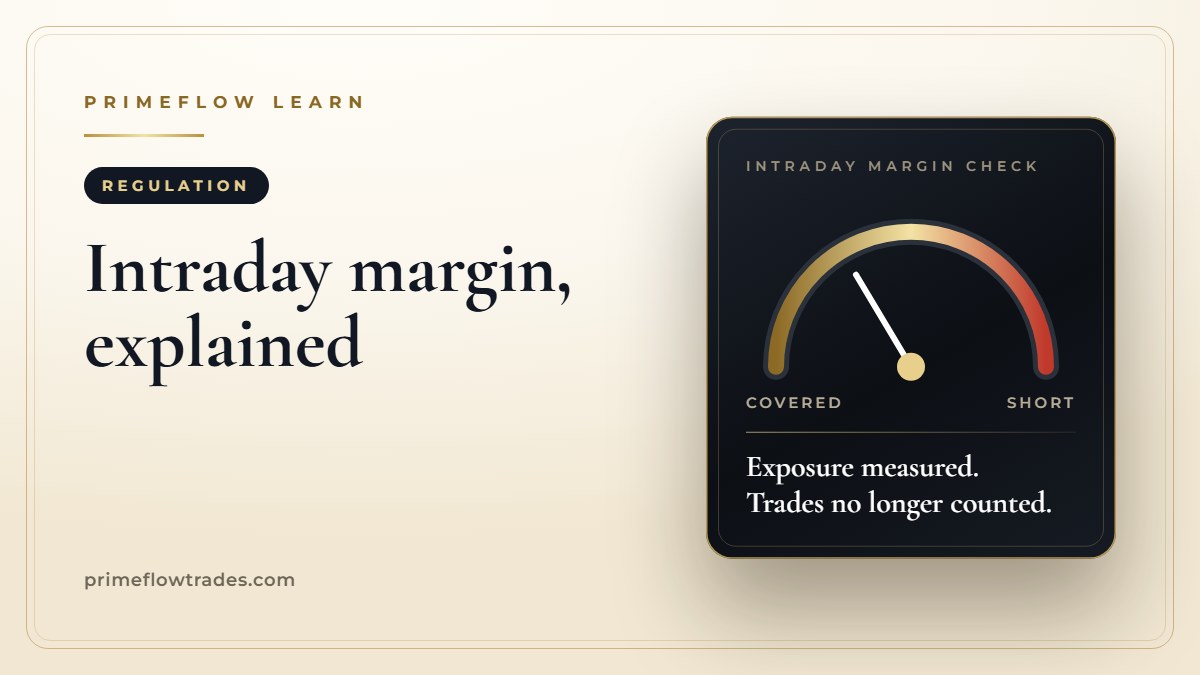
Instead, brokers watch margin use. If your trading during the day leaves the account short of required margin, you’re expected to cover it. A small shortfall, no bigger than 5% of equity or $1,000, whichever is lower, isn’t held against you when a broker looks for a pattern of unpaid deficits. Intraday margin, explained covers the details.
One caution bears repeating. Brokers can phase the change in until October 20, 2027, and can keep stricter house rules. Don’t assume your account is unrestricted because the regulation changed. Ask your broker.
The risk that comes with the freedom
A limit that stops you trading also stops you overtrading. For many small accounts, the three-trade cap was quietly doing a second job: forcing a break after two losses in a row.
Take the cap away and the arithmetic stays the same. A small account feels commissions, poor fills and one oversized loss more than a big one does. A 20% drop on $4,000 is $800 and feels survivable. Four of those in a row takes nearly 60% of the account.
More trades, in an account with less room for error, without a way to decide which trades are worth taking, just gets you to the same place faster.
What a small account should focus on now
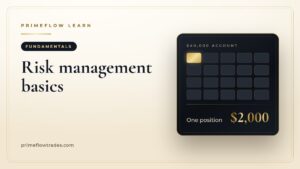
Decide the size before the trade. Set the most you’ll put into any one position before you look at a chart, and stick to it. Risk management basics shows the simple math.
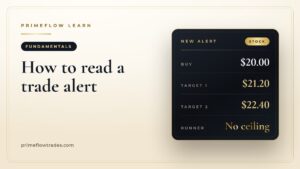
Know the whole plan before you buy. The price you’re paying, where you’ll take profit, and how much of the position you’ll let run. If you can’t write those down before the order goes in, the trade isn’t ready. Here’s how a complete trade plan reads.
Have a reason to pass. The most valuable habit in a small account isn’t finding trades. It’s skipping the ones that only look good because you want to be in something.
Common questions
Can I day trade with less than $25,000 now?
Under FINRA rules, yes. The $25,000 minimum tied to the pattern day trader label was removed on June 4, 2026. Your broker may still apply house requirements, or may not have switched yet, since brokers can phase the change in until October 20, 2027.
How many day trades can I make in a small account?
There is no longer a FINRA day-trade count that triggers a restriction. Brokers watch intraday margin use instead. Your broker may still set limits of its own.
Is a cash account still a way around the rule?
A cash account was a workaround for the day-trade count, which no longer applies. Cash accounts still come with settlement waits and good-faith violation rules, which the 2026 changes did not touch.
Does removing the $25,000 rule make small-account trading easier?
It removes a barrier to trading often. It doesn’t change spreads, commissions, fills or the skill it takes to trade well, and those weigh more heavily on a small account.
Sources
Regulatory details are summarized for general education. Check the current requirements for your account with your broker.


PrimeFlow Trades publishes educational research and market commentary. Nothing on this page is investment advice or a recommendation to buy or sell any security. Trading involves risk, including the loss of money you invest. Past results, including any trade shown here, do not guarantee future results.