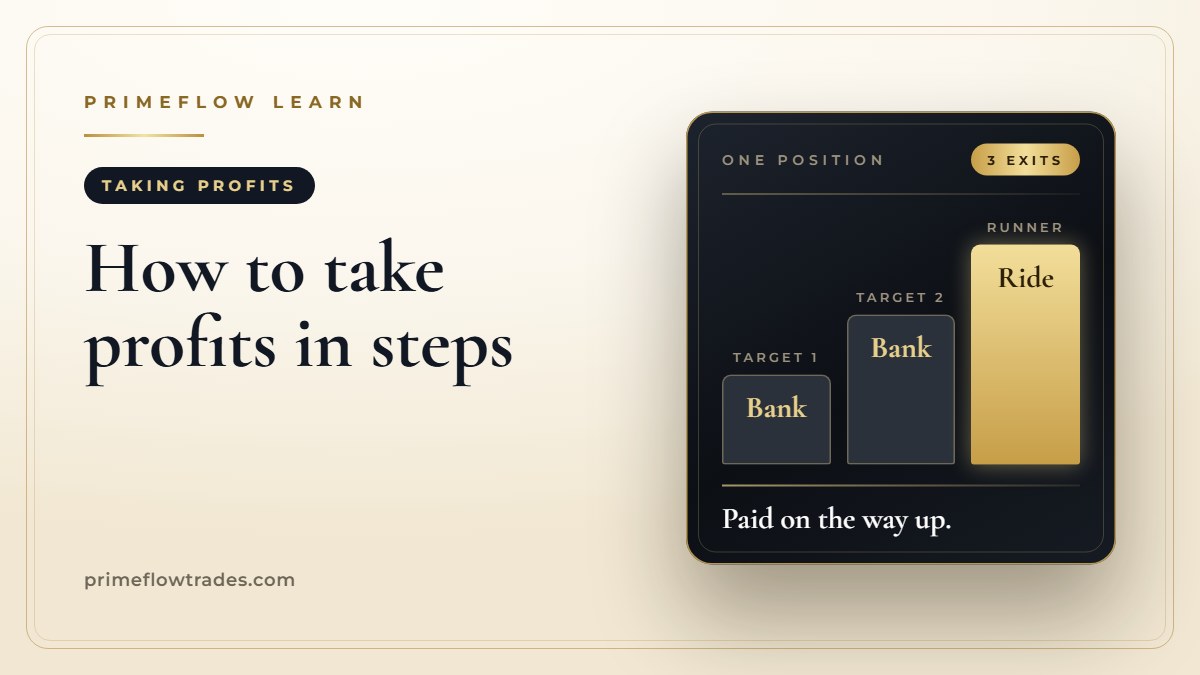
Knowing how to take profits on stocks is worth more than knowing what to buy. Most traders who pick a winner still hand back a good part of the gain, because they sell everything at the first sign of a profit or hold everything until it fades. Taking profits in steps fixes both, and you set it up before the trade starts.
The short version
- Decide your selling prices before you buy, while nothing is at stake.
- The first target puts real money back in your account early in the move.
- The second target banks a larger gain if the stock keeps climbing.
- The runner is the last slice. It has no ceiling, and it’s where the big wins come from.
- A sell limit order lets you place each exit with your broker ahead of time.
How to take profits on stocks: decide before you buy
The worst time to decide when to sell is when the stock is moving. Up 4% by mid-morning, it feels like you should grab it before it disappears. Up 15% after a week, it feels like it might double. Both feelings are loud, and neither one is a plan.
So the decision moves to the one moment when you’re calm: before you buy. You write down the price you’re paying, the price where you’ll sell the first part, the price where you’ll sell the second part, and how much you’ll keep for the long run. Then the market does what it does, and you follow what you wrote.
That’s what traders mean by taking profits in stages, or scaling out. Instead of one sell decision, you have three small ones, each made in advance.
The first target: get paid early
The first target sits close enough to the buy price that a healthy stock can reach it within a few days. When it hits, you sell part of the position and the profit is in your account.
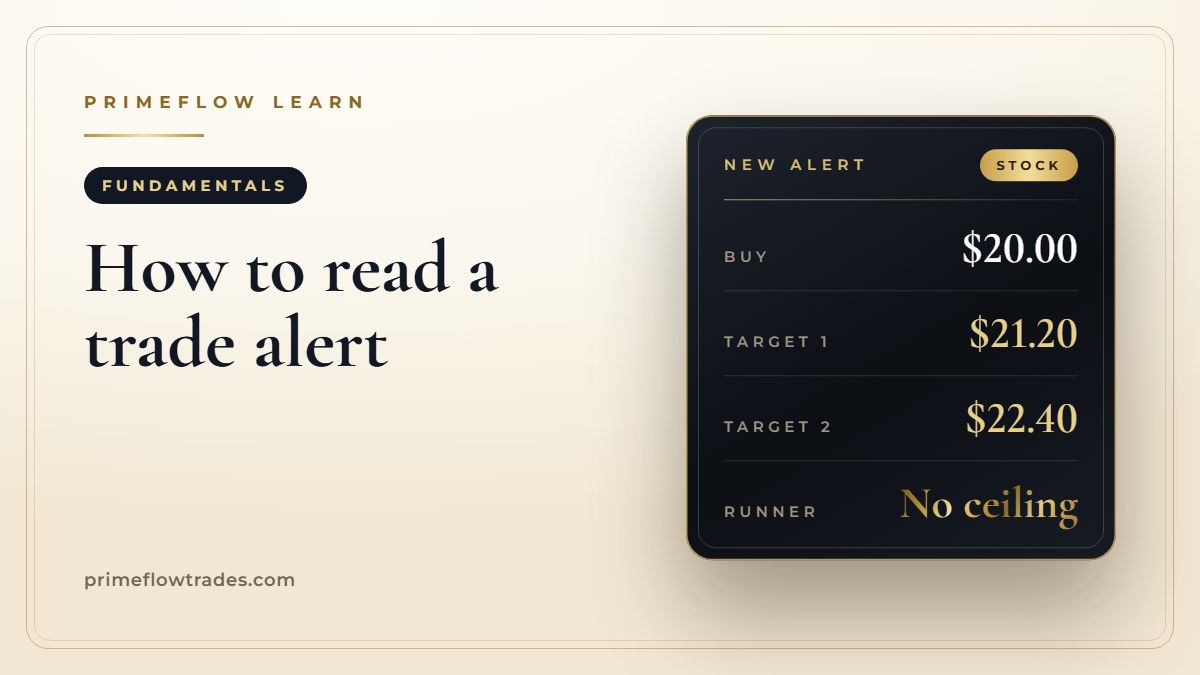
Here’s a simple example. You buy 300 shares at $20.00, a $6,000 position, with a first target of $21.20 and a second of $22.40. You plan to sell 100 shares at each target and keep the last 100. At the first target, those 100 shares bring in $120 of profit.
That first $120 matters more than its size. The rest of the position is now riding on a trade that has already paid you, and that changes how it feels to hold. It’s far easier to sit through a dip with $120 already banked.
The second target: bank a bigger gain
If the stock keeps going, the second target banks the next slice. In the example, 100 more shares sell at $22.40 for another $240. You’ve now taken $360 off the table on a $6,000 position, and you still own 100 shares.
Some traders ask why not just sell everything at the second target. Because most of the time, nobody knows how far a move will go. Selling in steps means you don’t have to know. You get paid on the ordinary moves, and you’re still in the trade for the rare ones.
The runner: why you keep a slice with no ceiling
The last 100 shares are the runner. There’s no target on it. It stays in for as long as the move lasts, whether that’s a few more days or several weeks.
On many trades, the runner cools off along with the stock and adds a modest gain. Every so often, it’s the reason the whole trade was worth taking. If the stock in the example went on to $30, those last 100 shares alone would be up $1,000, nearly three times what both targets banked together.
Our own alerts show what a runner can do. Our VSH alert went out at a buy price of $33.95 on May 8, 2026, and the stock reached $63.27 on June 3, 2026: up 86% in 26 days. Across our public trade log, 407 of our first 427 closed alerts were winners. Our guide to reading a trade alert explains how the buy price, targets and runner fit together.
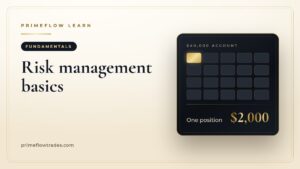
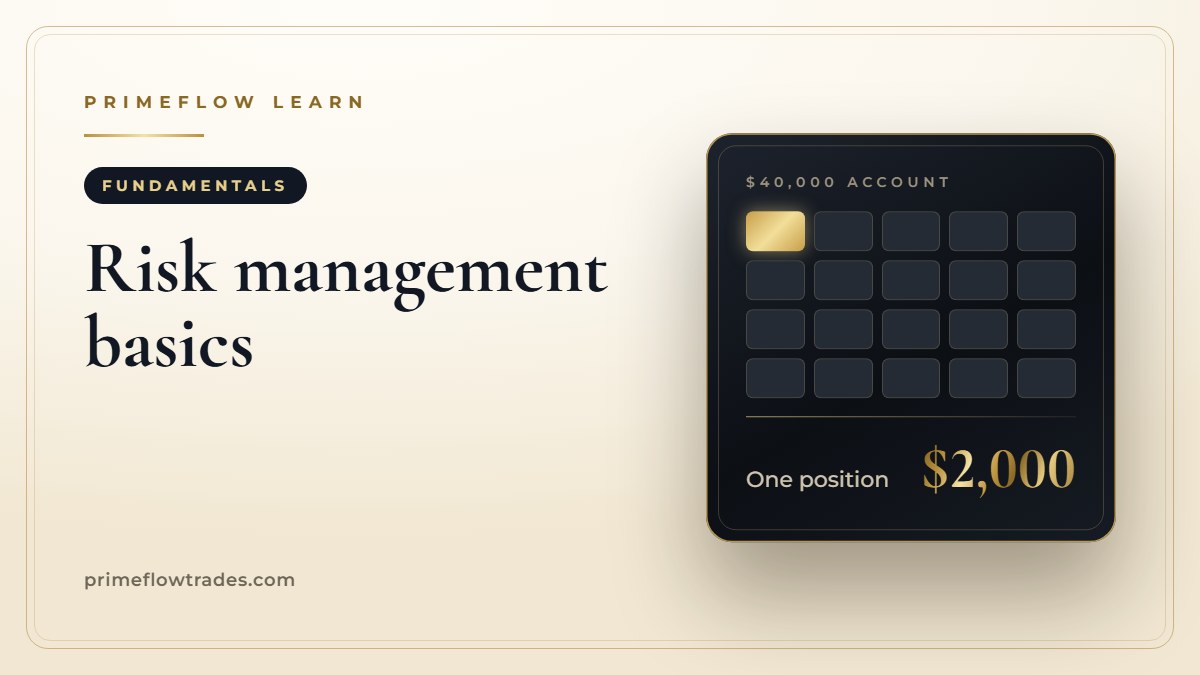
A runner only works if you can hold it calmly, and that comes down to how much you put in to begin with. Risk management basics walks through sizing a position so a rough week stays a rough week.
Selling in steps with a sell limit order
You don’t have to sit at the screen waiting for each target. A limit order lets you name your price in advance. The SEC’s investor site, Investor.gov, explains that a sell limit order can only be filled at the limit price or higher.
So once you own the shares, you can place one sell limit order for the first 100 shares at $21.20 and another for the next 100 at $22.40. If the stock gets there, the shares sell at your price or better. If it doesn’t, they don’t sell, and you’re still holding. Ask your broker whether an order stays open after today’s close or needs to be placed again each morning. Selling part of a position on the same day you bought it counts as a day trade. Our guide to the pattern day trader rule covers what changed in June 2026 and what your broker still checks.
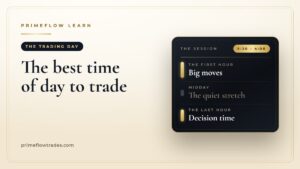
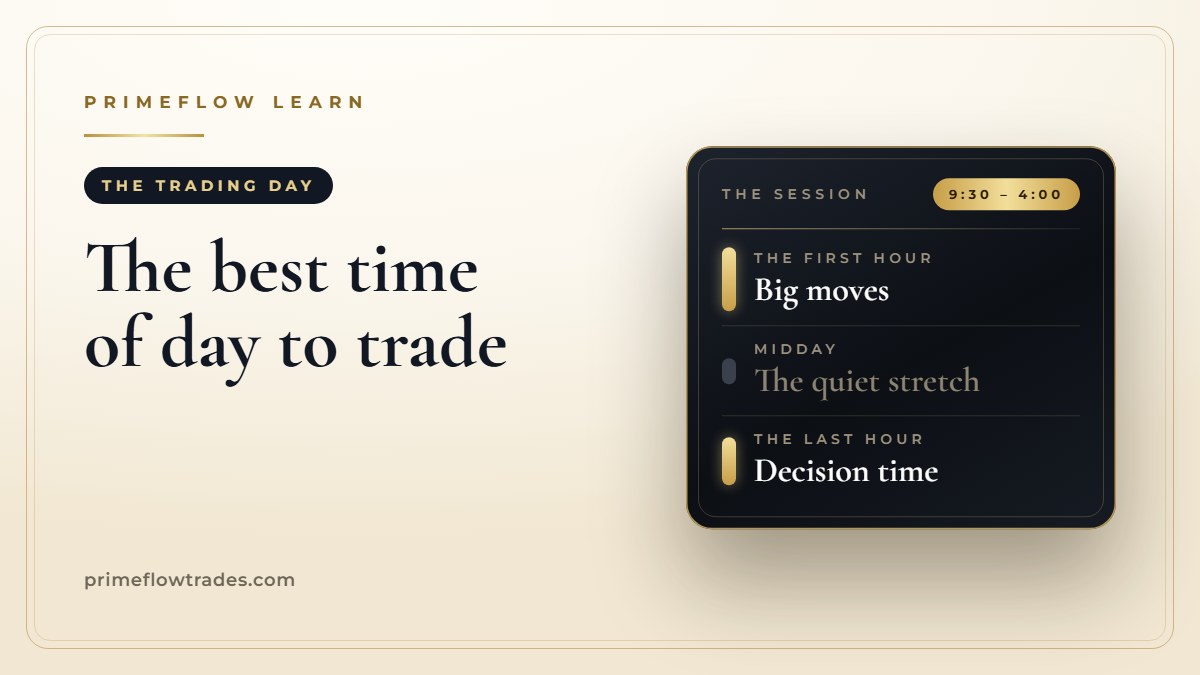
The runner usually stays without an order, since it has no fixed target. When the plan is set like this, checking in once in the first hour and once near the close is often enough. Our guide to the best time of day to trade stocks covers what each part of the session brings.
When to take profits on a stock: the habits that matter
Write the three exits down before you buy, every time. A plan you can’t remember is a plan you’ll change in the moment.
Don’t move a target higher because the stock looks strong. That’s exactly the job the runner is there to do. And keep the slices even until you have a reason to change them, so one feeling on one day doesn’t reshape the whole trade.
If you’d like the runner part laid out in full, our free 40-Day Retirement Position guide shows how our desk handles it. And if you’d rather have every plan set for you, Sanctum delivers our alerts at $49 a month instead of $99.
Common questions
How do you take profits on a stock?
Decide your selling prices before you buy. A common approach is to sell part of the position at a first profit target, more at a second target, and keep a small slice, the runner, for a bigger move. Each sale can be placed ahead of time with a sell limit order.
When should you take profits on a stock?
At prices you chose before buying, not when the stock starts to feel exciting or scary. Selling in steps means you bank some profit early and still own shares if the move keeps going.
What is scaling out of a stock?
Scaling out means selling a position in parts instead of all at once. For example, a third at a first target, a third at a second target, and the last third held as a runner.
Is it better to sell all at once or in stages?
Selling all at once is simpler, but you have to guess where the move ends. Selling in stages banks profit early and keeps part of the position in for the rare move that runs much further.
What is a sell limit order?
An order to sell at a price you name or higher. According to Investor.gov, a sell limit order can only be filled at the limit price or higher, so it lets you place your profit targets with your broker ahead of time.
Do I pay taxes when I take profits?
Generally, yes. The IRS treats a gain on stock you sell for more than you paid as a capital gain. If you held the shares for one year or less, it is short-term and taxed as ordinary income. Ask a tax professional about your own situation.
Sources
Order types and tax rules are summarized for general education. Check the order types your broker offers, and ask a tax professional about your own situation.
PrimeFlow Trades publishes educational research and market commentary. Nothing on this page is investment advice or a recommendation to buy or sell any security. Trading involves risk, including the loss of money you invest. Past results, including any trade shown here, do not guarantee future results.