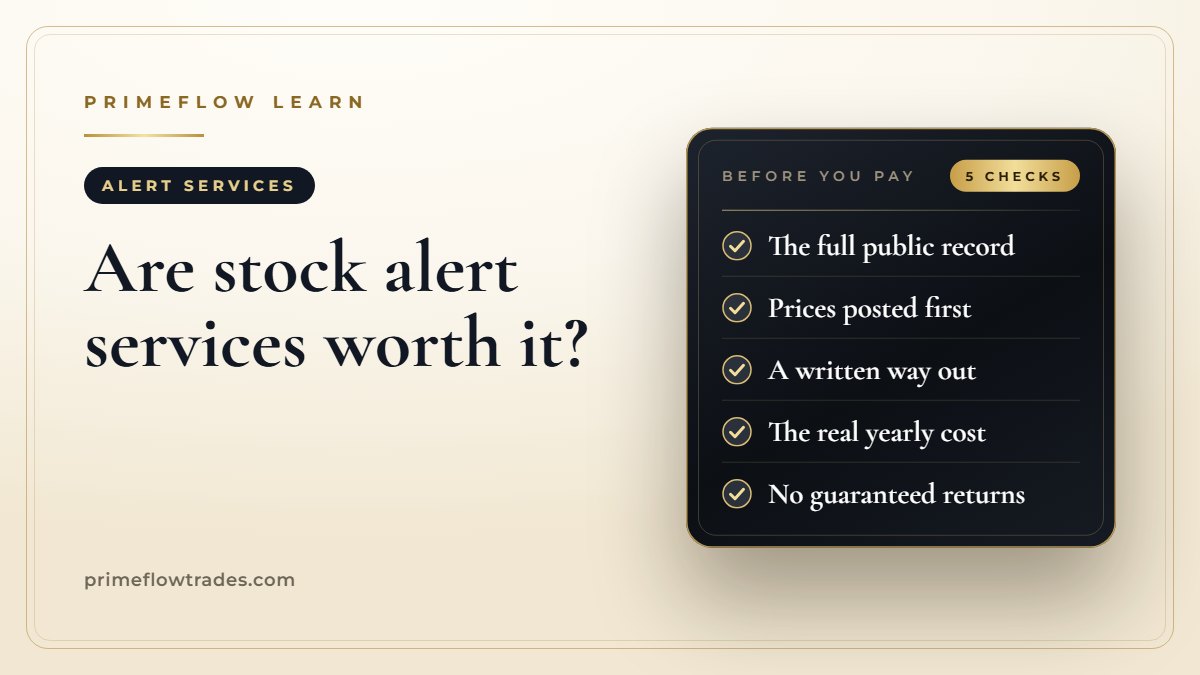
Are stock alert services worth it? A good one can be, and you can find out before you pay by running five checks on what the service has already published. The sales pitch won’t tell you much. The record will.
The short version
- Ask for every closed alert, wins and losses, on a public page.
- Check that buy prices went out before the move by spot-checking a few against a chart.
- Every alert should say where you take profit, in writing, before you buy.
- Add up the yearly cost and compare it with the size of your account.
- Walk away from guaranteed returns and pressure to buy a stock right now.
How to check a stock alert service’s track record
Ask for the whole record: every closed alert, with its dates and prices, on a page anyone can read. You want the wins and the losses side by side.
A highlight reel proves nothing. A few screenshots of big winners can be pulled from a year of forgettable trades, and you’d never know. The SEC warns that fraudsters often lie about their track records, and tells investors never to rely on a testimonial or take a promoter’s word at face value.
Once you find the record, read it like an auditor. Count the losses. Scroll back to the oldest entries, not just this month’s. A win rate with no trades behind it gives you a number and nothing to check it against.
How to tell if alerts were posted before the move
Anyone can draw an arrow at the low of a chart after a stock has run. What you need to know is whether the buy price went out while you could still have paid it.
Pick five trades from the record, including a couple of old ones. Open a daily chart for each and find the entry date. The buy price should sit between that day’s high and low. If it doesn’t, nobody could have bought at that price. A stock split can shift old prices on a chart, so check for one if a price looks far off. Our guide on how to read a stock chart shows where to find those numbers.
Then ask how alerts reach members, and when. A sell note that lands in a chat room after the stock has dropped does nobody any good.
Does the stock alert tell you when to sell?
A buy call with no exit plan leaves the hardest decision to you, at the moment you’re least calm about it. Ask to see a sample alert before you pay. It should tell you what to pay and where to take profit, written down before you buy.
Look at what happens after the first sale, too. A service that sells everything at the first small gain never lets you catch the big move. One that never takes a profit can watch a good gain melt away. And ask how losing trades get closed, then go find them in the record.
Our guide to how to read a trade alert explains what each number is for, and how to take profits on stocks runs the math share by share.
Are stock alert services worth it? Do the yearly math
Multiply the monthly fee by 12 and hold it up against your account. A service charging $100 a month costs $1,200 a year. On a $50,000 account, that’s 2.4%. On a $10,000 account, it’s 12%, and your trades have to earn that back before you’re ahead.
Then read the order page: what you pay today, what you pay after that, when it renews and how you cancel. A service that hides any of those hasn’t earned your card number.
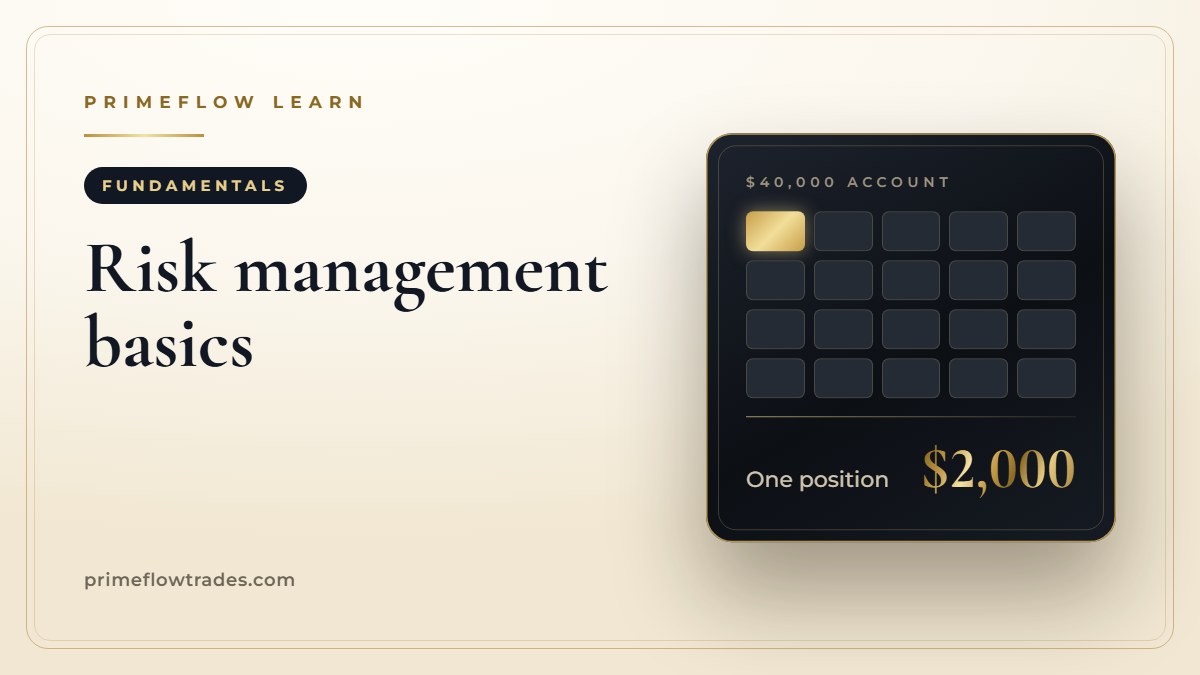
Check the pace as well. The record shows how many alerts closed in a typical month. If you can place one or two trades a week, a service firing off ten a day wasn’t built for you. Settle your position size before the first alert arrives, so one trade can’t take over the account.
Stock alert scams: the red flags the SEC warns about
The SEC’s investment fraud checklist reads like a tour of the worst pitches in your inbox. Walk away from any of these:
- “Guaranteed” or “risk-free” returns. Every investment carries risk.
- Pressure to buy a stock right now, before you’ve had time to look into it.
- “Everyone is buying it” pitches, and big claims propped up by testimonials you can’t verify.
- Requests to pay by gift card, or to wire money abroad or to a personal account.
Watch for paid promotion, too. Some companies pay newsletters to recommend their shares. The SEC says that’s legal only when the newsletter discloses who paid, how much and in what form, and it warns that fraudsters lie about those payments.
Chat rooms deserve extra care. In December 2022, the SEC charged eight social media influencers over what it alleged was a $100 million scheme: buying stocks, urging followers on Discord and Twitter to buy the same ones, then selling without saying so. Before you join any group, ask whether the people behind it own the stocks they call or get paid to promote them. And if anyone offers to sell you an investment or manage your money, run a background check at Investor.gov first.
How PrimeFlow stands up to these checks
Run every one of these on us. The PrimeFlow trade log lists every alert we’ve closed, wins and losses, with the dates and prices we published at the time. 407 of our first 427 closed alerts were winners. Pick your five trades and check them.
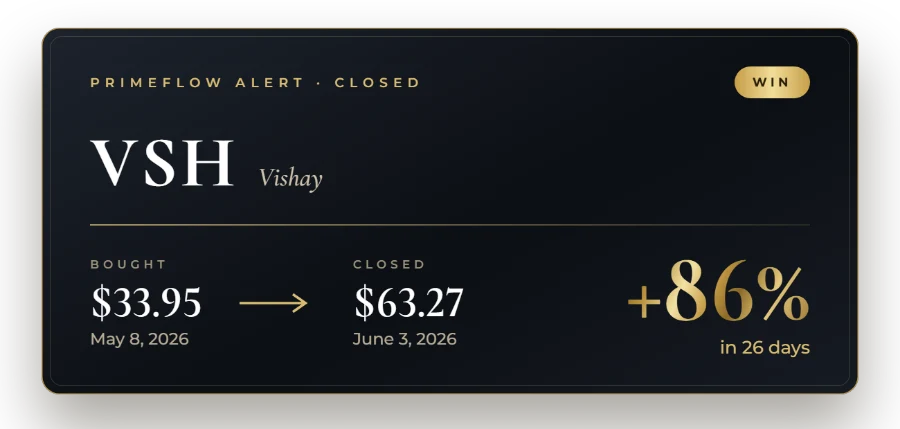
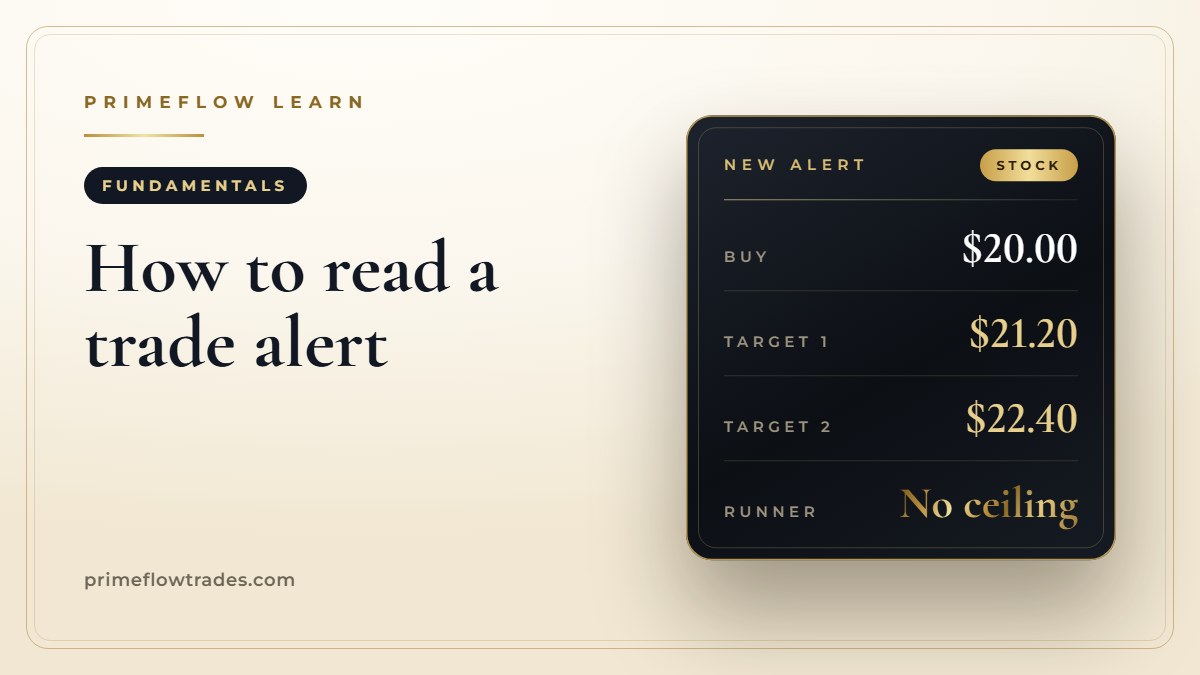
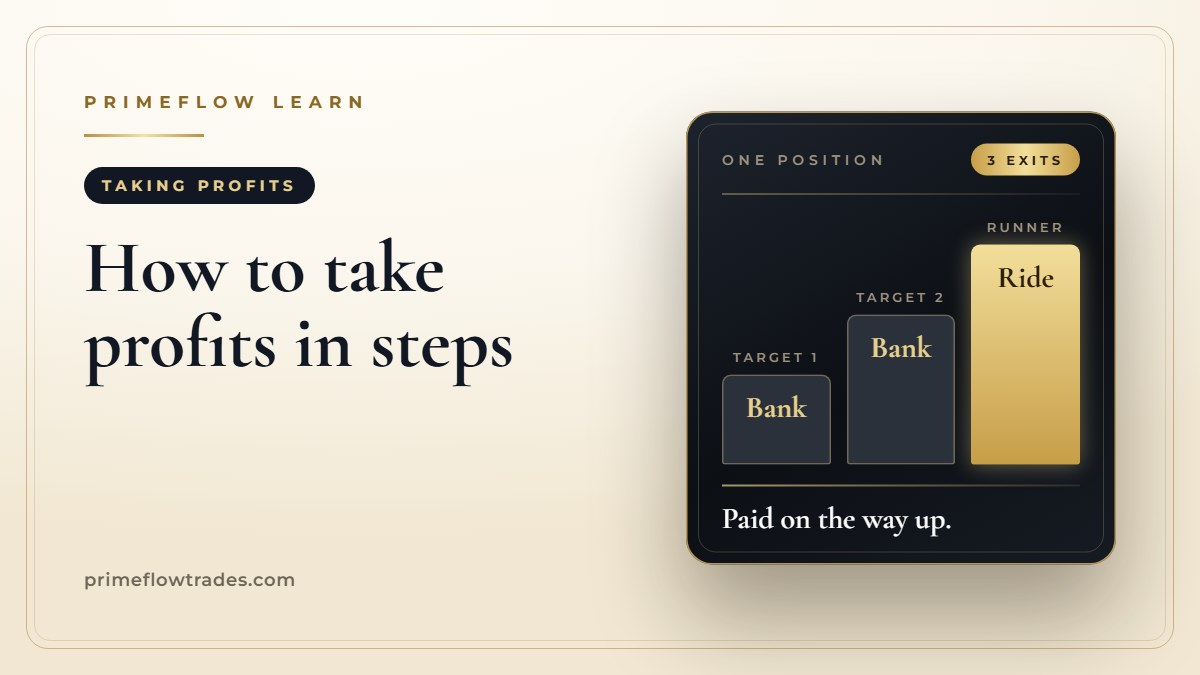
Every alert gives you the buy price, two profit targets and a runner we let ride. That runner is how our Vishay Intertechnology (VSH) alert, posted at $33.95 on May 8, 2026, closed at $63.27 on June 3: up 86% in 26 days. Our free 40-Day Retirement Position guide shows how we hold one for weeks.
The terms sit on the order page, too. Sanctum is $49 a month instead of $99, and you can cancel from your account page.
Common questions
Are stock alert services worth it?
A good one can be, if its full record holds up and the yearly fee is small next to your account. Check every closed alert, wins and losses, before you pay. If the service won’t show you that, skip it.
How can you tell if trading alerts are legit?
Look for a public record of every closed alert with dates and prices, then check a few buy prices against that day’s high and low on a chart. Walk away from guaranteed returns, unverifiable testimonials and pressure to buy a stock right now.
Are Discord stock alert groups legit?
Some are run honestly and some aren’t, so judge each group by its record. The SEC warns that fraudsters look for victims in chat rooms, and in 2022 it charged eight influencers over an alleged scheme promoted on Discord and Twitter.
Do these checks work for options alerts on Discord?
Yes. A full public record, prices posted before the move, a written exit plan, a clear yearly cost and no guaranteed returns apply to any alert service. PrimeFlow’s own alerts are stock alerts.
How much should a stock alert service cost?
There’s no single right price. Multiply the monthly fee by 12 and compare it with your account: $1,200 a year is 2.4% of $50,000 but 12% of $10,000. Your trades have to earn that back before you’re ahead.
Can a stock alert service guarantee returns?
No. Every investment carries risk, and the SEC lists promises of guaranteed returns among the warning signs of investment fraud.
Sources
- Investor.gov (SEC): Red Flags of Investment Fraud Checklist
- SEC Investor Alert: Social Media and Investing, Avoiding Fraud
- SEC: Charges Against Eight Social Media Influencers (2022-221)
Regulators’ warnings are summarized for general education. SEC charges are allegations, not findings.
PrimeFlow Trades publishes educational research and market commentary. Nothing on this page is investment advice or a recommendation to buy or sell any security. Trading involves risk, including the loss of money you invest. Past results, including any trade shown here, do not guarantee future results.